The Island
Adventure story meets epistolary meets an inquiry into the heart of the literary aesthetics in America. The time is now to ask again how the rhetoric of our nation’s leader trickles down into literary art. It was done In 1997 by novelist Charles Baxter, who in his essay “Dysfunctional Narratives (or Mistakes Were Made)”, asked: “What difference does it make to writers of stories if public figures are denying their responsibility for their own actions? So what if the president of the United States is making himself out to be, of all things, a victim?”
This examination of literary values sees mainstream trade publishing, literary publishing, through the lens of Baxter’s essay, through Kafka’s The Trial, through the Tobias Wolff’s short story “A Bullet in the Brain,” through Rebecca Solnit’s “Keys to the Kingdom: Old Conflicts, New Chapters,” through Uri Berliner’s bold declaration of editorial bias at National Public Radio, through student fictions, through an MFA application letter, and through a self-described humor piece in The New Yorker’s “Shouts & Murmurs” column.
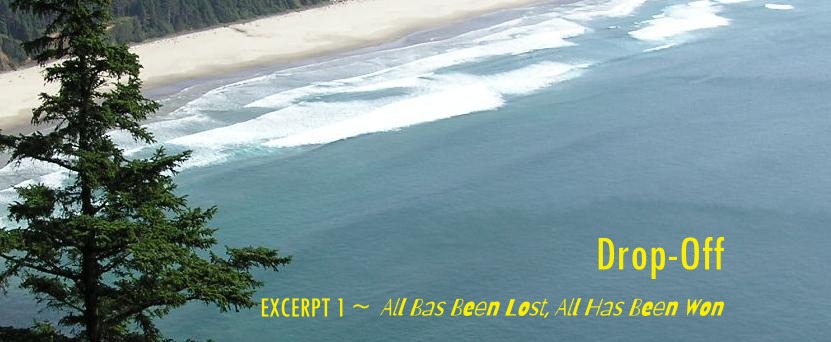
When a crate of books is air-dropped by a drone, a head injury ensues, healing just in time to heal the writer at the center of his own judgements, in a sea of endless trials, trying to catch a wave of honest accountability out of this place--his spiritual predicament, his estrangement from his life’s passion. Listening for a prayer on the wind, he hears the voices of his son and wife, and back home arrives at peace through Milan Kundera’s Testaments Betrayed, found, like love itself, in the unlikeliest of places.
“Obler’s work satirizes capitalism, class systems, and bourgeois morality, performing an ideological critique similar to Brecht and Weill’s works (e.g., The Threepenny Opera, Rise and Fall of the City of Mahagonny). But this is no lagoon lampoon; The Island exposes systems of control and complicity using comedy as a scalpel.” - Donald Proffit, author of Hardship, Alaska.
You pick the genre, this book will hit big with thinkers and lit lovers, bibliophiles, bookworms, humanists, poets, teachers and all who have labored for the love of the literary, fond for a time when the norm was to reject discrimination in favor of discrimination.
This is a three-page synopsis of THE ISLAND, complete with spoilers.
The tumultuous, fraught summer of 2023, on a remote Pacific Island, and in America's heartland, the Midwest.
The manuscript is 62,700 words and is a dead ringer for the Literary genre, the work being experimental and integrating various text types, and the narrative being by nature introspective, if not patently recursive.
"Preaching the End of the World" by Chris Cornell.
The author is an advocate of #amsl, author manuscript list, as a replacement for the established methods of #mswl, manuscript wish list.